
Commercial vs. Residential: The Guide to Buying Property in Egypt with the Highest Returns in 2026
In 2026, the Egyptian real estate market is undergoing fundamental shifts that have forced investors to rearrange their financial priorities. With a growing desire to hedge against inflation and achieve sustainable profits, the most prominent question in investment circles arises: Which is better, commercial or residential investment?
Deciding to buy a property in Egypt is no longer just a step to preserve capital value; it has become a financial equation requiring a careful study of expected return rates. This is especially true with the massive boom in new cities and the shifting demand map favoring the fastest-growing and most developed destinations.
In this guide, we dive into practical numbers and details based on current market dynamics to serve as your definitive guide before making a real estate investment decision.
The Current State of Real Estate Investment in Egypt
The current real estate map is characterized by the emergence of highly attractive investment hubs. If we are talking about the highest capital growth and promising investment opportunities, New Zayed establishes itself today as the winning horse in the Egyptian real estate market. It leads the demand for luxury residential and investment properties thanks to its modern projects and strategic location. This runs parallel to robust commercial and administrative expansion serving this promising area and the entirety of West Cairo, alongside East Cairo and the New Administrative Capital.
The current timing is ideal for considering property purchase, but success requires a deep understanding of the fundamental differences between how commercial properties operate compared to residential ones.
First: Investing in Commercial Real Estate (Shops and Administrative Offices)
Commercial investment is based on the principle of meeting the needs of companies and commercial businesses. This sector is witnessing rapid growth in New Zayed due to the urgent need to serve thousands of residents in the new luxury compounds.
Advantages of Buying Commercial Property and Expected Returns
-
High and Net Rental Yield: The rental yield for commercial properties in the Egyptian market currently ranges from 10% to 15% annually of the property’s total value, a rate that far outperforms residential yields.
-
Long-Term Contracts with Maintenance on the Tenant: Lease agreements for administrative offices and shops extend from 3 to 9 years. Most importantly, the Triple Net Lease clause obligates the tenant company to bear routine maintenance expenses and renovations, meaning the realized return is pure net profit for the owner.
-
Compound Annual Increase: Commercial contracts include a fixed clause for an annual rent increase ranging from 10% to 12%, perfectly guaranteeing a hedge against inflation.
Challenges Facing Investors in Commercial Property
-
High Initial Capital: Shops and offices in major commercial centers require higher down payments and installments compared to residential units.
-
Vacancy Rate Periods: If a commercial tenant leaves, searching for a replacement with appropriate financial solvency can take between 3 to 6 months a period during which cash flow stops.
Second: Residential Real Estate Investment (Apartments and Villas)
The residential sector represents the traditional safe haven for the majority of investors. New Zayed and the Green Belt expansions stand today as the most in-demand areas for achieving the highest Capital Appreciation, given the nature of the luxury projects there and the high demand from those seeking quality of life.
Advantages of Buying an Apartment or Villa as an Investment
-
Speed and Ease of Renting: Demand for housing in new attraction zones like New Zayed is continuous and uninterrupted, especially with families and expats moving to modern and quieter areas.
-
Flexible Payment Plans: Real estate development companies in New Zayed projects offer highly flexible payment plans, reaching up to 8 or 10 years in some projects with low down payments, making entry into this sector much easier.
-
Ease of Resale (Liquidity): Residential property enjoys higher liquidity when looking to cash out compared to specialized commercial spaces.
Drawbacks of Residential Investment and Limited Profits
-
Relatively Low Rental Yield: The rental yield for traditional residential apartments does not exceed the 4% to 7% annually mark, but it compensates for this with the rapid appreciation of the property’s total price.
-
Property Wear and Tear & Maintenance Expenses: Structural maintenance responsibility falls on the owner. With frequent tenant turnover, the property faces depreciation, which consumes a portion of the rental profits.
Comprehensive Numerical Comparison: Which Wins the Yield Round?
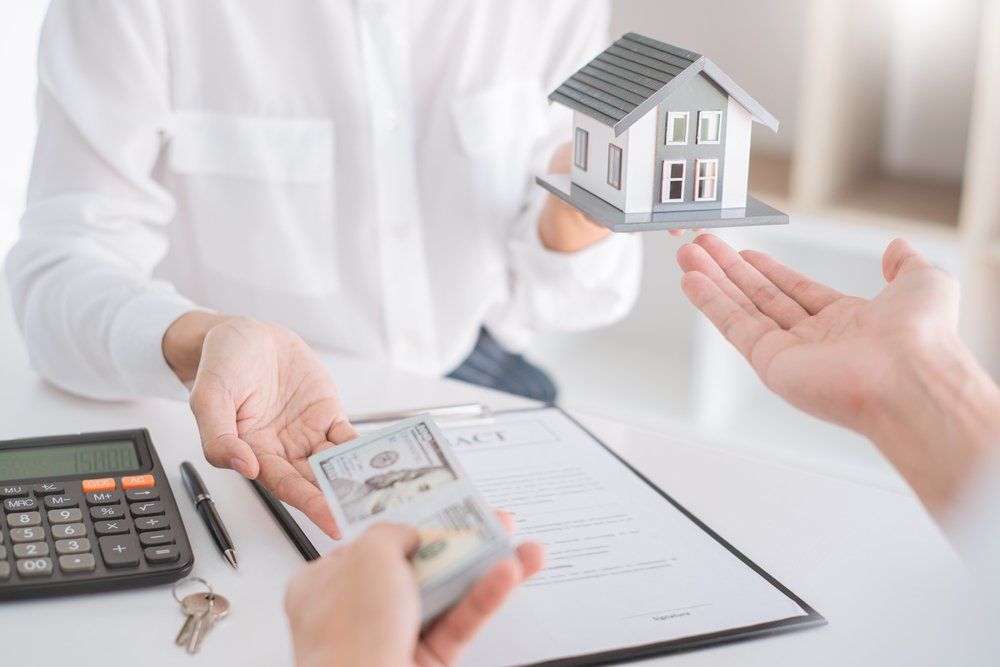
The following table illustrates the precise statistical comparison of investment mechanisms between residential and commercial property in the Egyptian market:
| Aspect of Comparison | Residential Property (Apartments & Villas) | Commercial & Administrative Property (Shops & Offices) |
| Average Annual Rental Yield | 4% to 7% | 10% to 15% |
| Capital Growth Rate (Property Appreciation) | Very rapid and high (especially in New Zayed) | Strong, but tied to the full operation of the building |
| Lease Contract Duration | 1 to 2 years (renewed annually) | 3 to 9 years (long term contracts) |
| Maintenance & Fit out Responsibility | Borne by the property owner | Borne by the tenant (companies and brands) |
| Property Liquidation Speed (Resale) | High and easily achievable | Moderate, requiring a specialized investor |
Real World Examples of Real Estate Investment in Egypt
To move away from theory and into practical calculations, let’s assume you possess an investment budget of 10 million Egyptian Pounds (EGP) and want to compare the operational outcomes of utilizing it within the New Zayed area, as it is currently the most prominent investment anchor:
Scenario One: Buying a Residential Unit in New Zayed
-
Property Value: 10,000,000 EGP.
-
Expected Monthly Rent: On average, 45,000 to 55,000 EGP.
-
Total Annual Revenue: Around 600,000 EGP.
-
Actual Rental Yield: 6% annually.
-
Additional Advantage: The unit’s value itself in New Zayed rises at strong annual rates, meaning massive capital profits upon resale in the future.
Scenario Two: Investing in Commercial or Administrative Property in New Zayed
-
Property Value: 10,000,000 EGP (an administrative office or a retail shop in a mall serving luxury residential compounds).
-
Expected Monthly Rent: On average, 100,000 to 120,000 EGP (since rent is calculated per meter for companies).
-
Total Annual Revenue: Around 1,300,000 EGP.
-
Actual Rental Yield: 13% annually.
-
Operational Note: This yield represents a largely net profit, as the tenant company undertakes the operation, fit-out, and complete maintenance of the space according to its brand identity.
Investment Secrets That Determine Your Success
If you are looking for true excellence when buying property in Egypt, there are hidden factors that seal your success:
-
The Finishing and Furnishing Dilemma: In residential real estate, the rental yield rises if the apartment is offered “fully furnished” as a serviced/hotel apartment. In commercial real estate, however, major corporations prefer to receive the property as Core & Shell (unfinished) to design it according to their visual identity, saving you exorbitant finishing costs.
-
The Power of the Developer and Location: The market value of a commercial property is directly linked to the “Property Management and Operation Company” responsible for the mall. Conversely, a residential property is affected by the developer’s strength and the compound’s overall maintenance quality, which is a hallmark of current New Zayed projects that rely on powerful development and management companies.
-
Capital Growth vs. Cash Flow: Residential property grants you very fast capital appreciation in price per meter upon resale, while commercial property focuses primarily on granting you the strongest monthly cash flow.
Frequently Asked Questions (FAQ)
1. Is commercial real estate investment always better than residential?
It cannot be generalized. Commercial investment is best for those who possess strong capital and seek a high, net monthly cash flow. Meanwhile, residential property is the ideal choice for beginners or those seeking a safe, low-risk investment, distinguished by its rapid capital growth rate and ease of resale at any time.
2. What are the best areas currently to achieve the highest investment return in Egypt?
New Zayed and West Cairo expansions lead the forefront as the best destinations for luxury and mid income residential investments due to the volume of mega projects and accelerating price growth. This runs parallel to the Fifth Settlement and East Cairo for commercial and administrative projects.
3. How can I calculate my property’s rental yield accurately?
The simple formula is:
Example: If the expected annual rent is 600,000 EGP and the total property price is 6,000,000 EGP, the actual rental yield is 10% annually.
4. What is the usual annual increase percentage in Egyptian lease contracts?
In residential real estate, the customary annual increase ranges from 10% to 15% (simple increase). In commercial and administrative real estate, the increase is fixed in contracts between 10% and 12%, but it is a compound increase that enhances the rental value over the long term.
5. Which achieves faster growth in the property’s value itself upon resale?
Residential property in promising new areas like New Zayed features a very fast Capital Appreciation rate due to the continuous volume of demand for luxury housing and gated communities (compounds). As for commercial property, its value increases massively once the mall is fully operational and the management company succeeds.
6. What is the Triple Net Lease clause in commercial real estate?
It is a type of lease agreement where the tenant (the company or commercial business) commits to paying all operating expenses, which include: routine maintenance, property insurance, and real estate taxes. This ensures the property owner receives the rent value as a completely net profit.
7. Is it preferable to buy a finished commercial property or an unfinished one (Core & Shell)?
It is always preferred to buy commercial or administrative property as Core & Shell (unfinished). Major companies and international brands prefer to design the premises according to their own visual identity and operational requirements, saving the investor finishing costs.
8. What is the risk of commercial property vacancy compared to residential?
The risk lies in the “vacancy period.” If a commercial property is vacated, finding a new tenant with strong financial solvency can take 3 to 6 months, during which cash flow stops. On the other hand, a residential property can be re-rented within a few weeks due to high demand density.
9. Does investing in furnished apartments (serviced rentals) approach commercial returns?
Yes, buying a residential unit and furnishing it luxuriously for daily or short term hotel rentals can raise the rental yield to 10% or 12%. However, this type requires intensive daily management and leads to faster wear and tear of facilities and furniture.
10. How does the “Management Company” affect the success of my commercial investment?
The property management and operation company is the number one factor in making a commercial property successful. A strong company ensures continuous building maintenance, organizes visitor traffic, and attracts global brands to the project, which preserves your unit’s market value and continuously drives up its rental value.
Conclusion: How to Make Your Final Decision?
Deciding between commercial and residential depends primarily on your financial goals and risk tolerance. Before taking the buying step, ask yourself:
-
Do I need a high, net monthly cash flow? (Choose Commercial)
-
Do I want to preserve my wealth in an asset that boasts strong, fast capital growth and is easy to sell in the future, like New Zayed villas and apartments? (Choose Residential)
Smart integration between both sectors over the long term is what builds a successful real estate portfolio capable of weathering all economic changes.


لا تعليق